
If you’re losing hair in your late teens or twenties and doctors keep handing you Minoxidil without ever asking why — this post is for you. This isn’t a “5 hacks for hair growth” post. This is my actual story, the mistakes I made, and what finally worked.
Where It All Started: JEE Prep, 2019
I was 18, deep in my JEE preparation, and more stressed than I’d ever been in my life. Somewhere in that pressure-cooker year, I started noticing clumps of hair coming out. For an 18-year-old, losing hair isn’t just a cosmetic problem — it’s terrifying. It messes with your confidence at exactly the age when you’re figuring out who you are.
The Mistake: Medicine Before Diagnosis
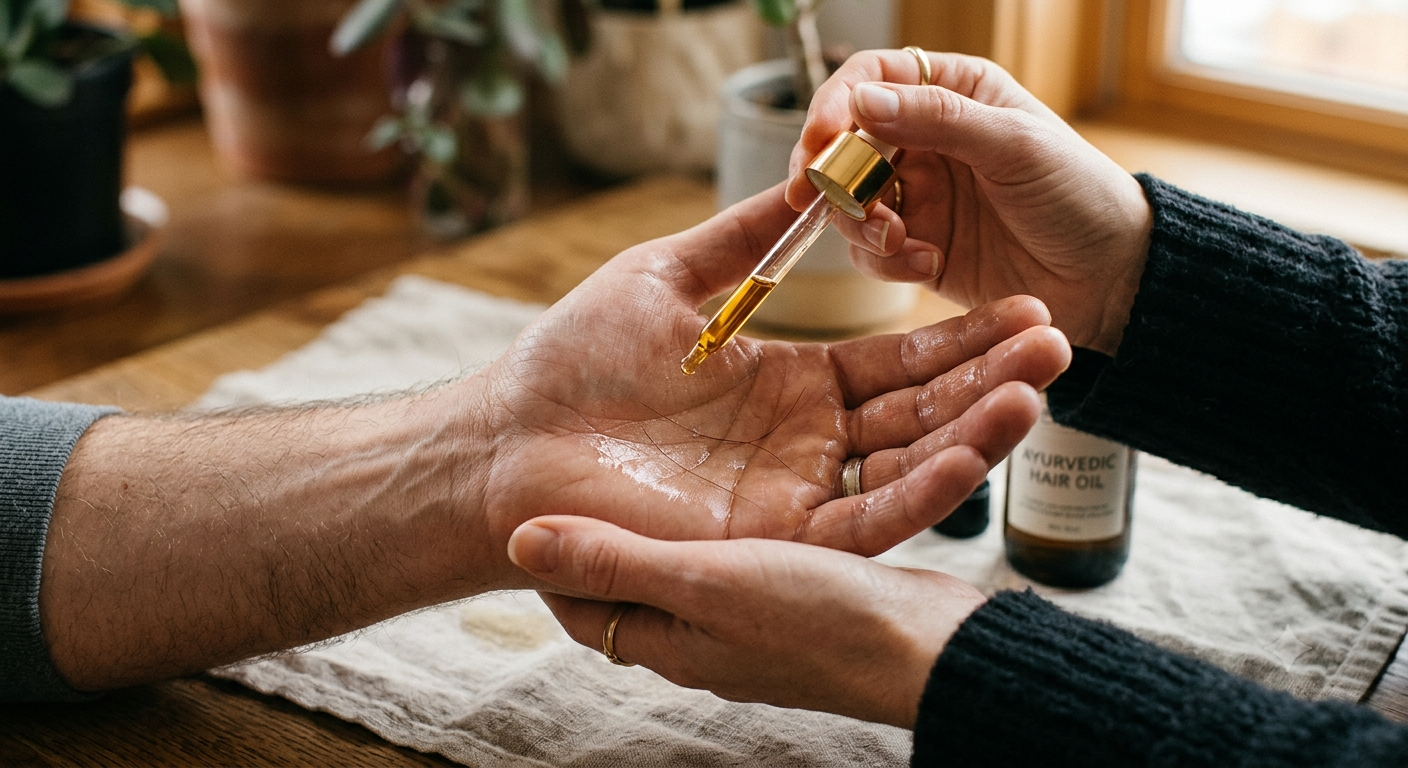
My mother and I went to a government doctor, hoping for answers. Instead of investigating the actual cause, he prescribed a bunch of medicines along with Minoxidil — for an 18-year-old, without ever checking what was causing the hairfall in the first place.
I didn’t know any better, so I used it. Three months in, my hairfall got worse, not better. And on top of that, coming from a middle-class family, that ₹500 bottle of Minoxidil plus the other medicines was costing me close to ₹3,000 a month — money we genuinely couldn’t spare. I quit.
Lesson #1: Hairfall is a symptom, not a disease. Treating the symptom without finding the root cause rarely works — and it can cost you more than money.
When Everything Fell Apart
Around the same time, I didn’t clear JEE in my first attempt. That hit me hard. I slipped into a depression I didn’t even have a name for back then — I just wanted to disappear from reality, so I slept. Day into night into day again.
Then COVID happened, and I moved back to my village, where family issues piled on top of everything else. In the middle of all that chaos, I somehow managed to qualify JEE and get into an architecture program — but the mental damage from that one year took nearly four years to fully recover from.
By the last years of college, I started gymming. I built a decent physique in about six months — but I was hollow on the inside. The body had changed; the mind hadn’t caught up.

The Turning Point: A Blood Test I Almost Didn’t Take
After graduating, my brother was getting a blood test done for a deficiency check, and I decided to tag along and get mine done too. That single decision changed everything.
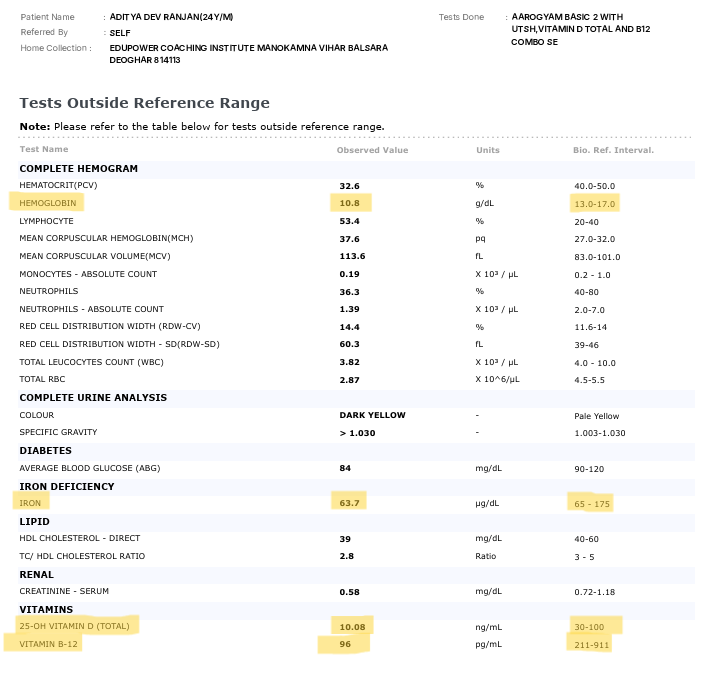
My report came back with:
- Mild anemia — hemoglobin at 10.8 g/dL
- Low Vitamin D
- Severely low Vitamin B12 — 96 pg/mL, against a healthy range of 211–911 pg/mL
Suddenly, years of hairfall, fatigue, and brain fog had an actual, physical explanation. This wasn’t just “stress” — my body had been running on empty for years.
Taking My Life Back: The Routine That Worked for Me
I got a decent job, joined a gym, and instead of throwing random medicines at the problem again, I started learning how nutrients actually work together. That was the real shift — understanding that:
- Magnesium needs K2
- Vitamin D needs magnesium
- Iron needs Vitamin C
- Calcium needs Vitamin D
Everything in the body is interrelated. Popping one supplement in isolation rarely fixes anything.
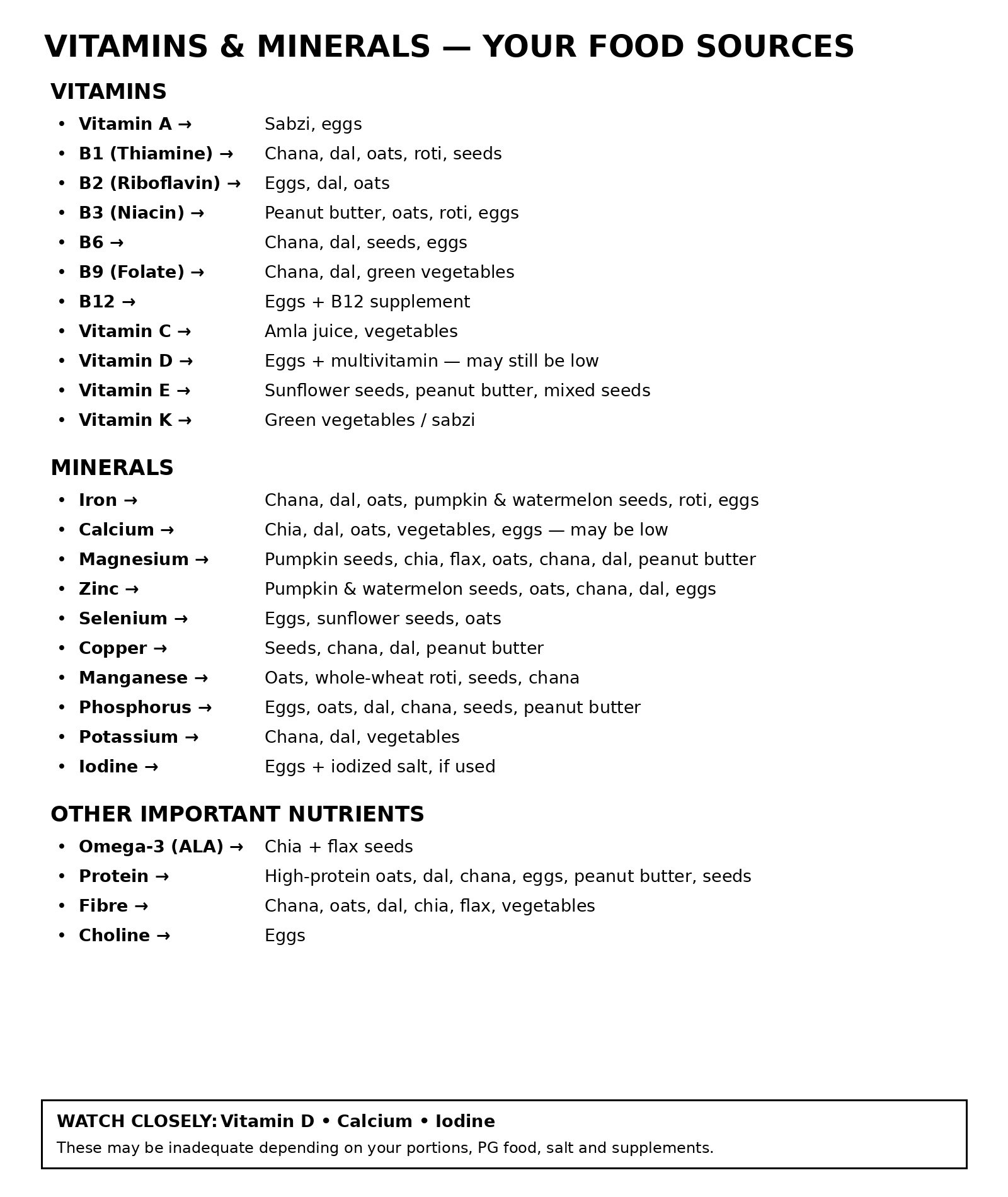
My typical day now looks like this:
- Morning: Vitamin C first — usually amla juice — plus soaked brown chana (overnight, with jaggery)
- Pre-gym: Creatine
- Post-gym breakfast: Roti and sabzi, a scoop of good-quality peanut butter, and a handful of mixed seeds (pumpkin, watermelon, sunflower, chia, flax)
- Lunch: Rice, dal, sabzi, and 100g of high-protein oats (roughly 54g of protein on its own)
- Evening: 3–4 eggs
- Dinner: Regular PG food
- Alongside this: a multivitamin every alternate day and a B12 supplement, based on what my blood work showed I was deficient in
(Quick disclaimer: this is what worked for me, based on my own blood test results — not a prescription for anyone else. Please get your own bloodwork done and talk to a doctor before starting any supplement routine.)
Where I Am Now — 4 Months In
I started this routine in May 2026, so this is about four months of consistency. I’m not “fully recovered” — hair regrowth takes time — but here’s what has changed:
- My mental health has improved massively
- I feel genuinely happier
- My cognitive ability is sharper
- I feel full of life again, not just physically but mentally
The Real Takeaway
If your hairfall is tied to stress, depression, or a deficiency your body’s been quietly screaming about — chasing shampoos and Minoxidil without checking the actual cause is often just throwing money at a symptom. Get your bloodwork done. Fix the body and the mind together. The hair often follows.
Suffering is part of being human — that’s not the part you get to choose. But how you respond to it? That part is yours.
I’ll see you in the next vlog, where I talk about how I dealt with depression and brain fog — no therapy, just self-work. Till then, this is Aditya Dev Ranjan. Bye.
This post is based on personal experience and is not medical advice. Please consult a doctor and get proper bloodwork done before starting any supplement or medication routine.